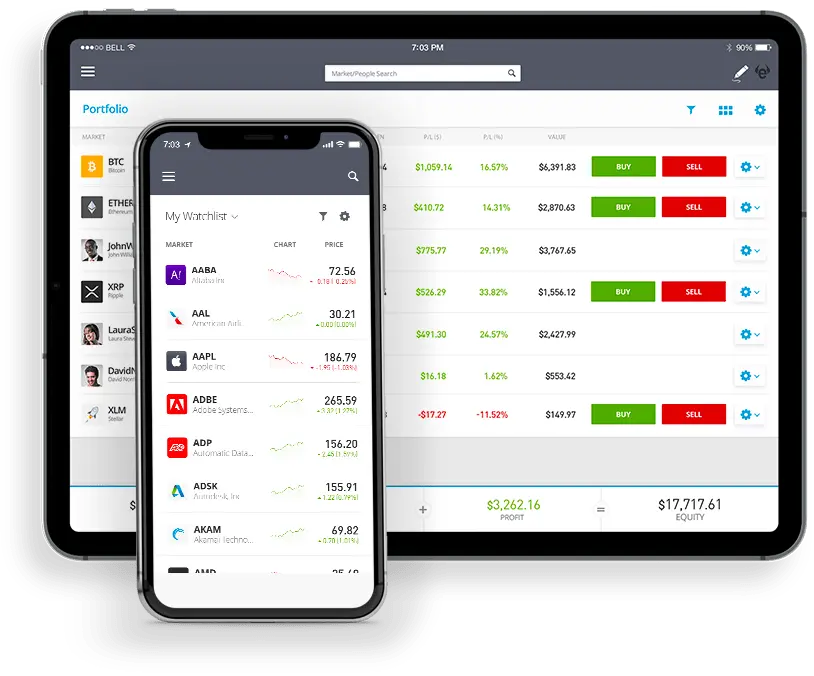
The primary difference between an eToro demo account and a real money trading account is that the demo account uses virtual money for trading, allowing users to practice without financial risk, while the real money account involves actual funds and real-world market conditions. Other differences pertain to emotional involvement, the trading experience, and how market orders function.
Introduction
eToro, a globally recognized social trading platform, offers users both a demo account and a real money trading account. While at first glance both might appear similar, especially in terms of interface and tools, there are distinct differences between them that traders should be aware of. This article delves deep into what sets the eToro demo account apart from real money trading.
eToro's Dual Account System: A Brief Overview
- eToro Demo Account: This is essentially a simulated trading environment. It provides users with virtual funds, allowing them to experience the platform, test trading strategies, and get a feel for the markets without risking real money.
- Real Money Trading Account: As the name suggests, this account involves trading with real funds. All profits and losses are genuine, and the emotional dynamics are entirely different from the demo account.
How Does an eToro Demo Account Differ from Real Money Trading?
- Virtual vs. Real Money: The most immediate difference between the eToro demo account and the real money trading account is the money involved. The demo account operates with virtual funds, meaning any profit or loss is merely on paper. On the other hand, real money trading involves tangible assets, and any decision has direct financial implications.
- Emotional Experience: Trading in a demo environment removes a significant factor from the equation: emotions. With the absence of real financial risk, users can trade freely without the fear of loss. Real money trading, however, brings in emotions like fear, greed, and excitement, which can significantly influence trading decisions.
- Market Order Execution: While the eToro demo account aims to simulate real market conditions, it might not always reflect actual order execution times and slippage in volatile market situations. With real money trading, the nuances of the live market, including liquidity concerns and rapid price changes, come into play.
User Experience
Many users who have transitioned from the eToro demo account to real money trading often remark about the change in psychological dynamics. The safety net of virtual funds in the demo account can sometimes lead to overconfidence. Once they start real trading, the weight of financial implications makes them more cautious and strategic. Such testimonials highlight the essential experience difference between the demo account and real trading.
Platform Familiarity
One of the shared sentiments among users is that the eToro demo account is an excellent tool for becoming familiar with the platform's functionalities and features. The interface, tools, and charts in both accounts are almost identical, making the transition from demo to real trading smoother.
Conclusion
Understanding the differences between the eToro demo account and real money trading is crucial for traders, especially those new to the platform or trading in general. The demo account offers a risk-free environment to learn, experiment, and understand trading mechanics. But one should always be prepared for the shift in dynamics when transitioning to real money trading. Emotional factors, real-time market conditions, and the tangible nature of gains and losses are aspects that only real trading can bring to the fore. By recognizing and respecting these differences, traders can harness the benefits of both account types and set themselves up for success in the world of trading.