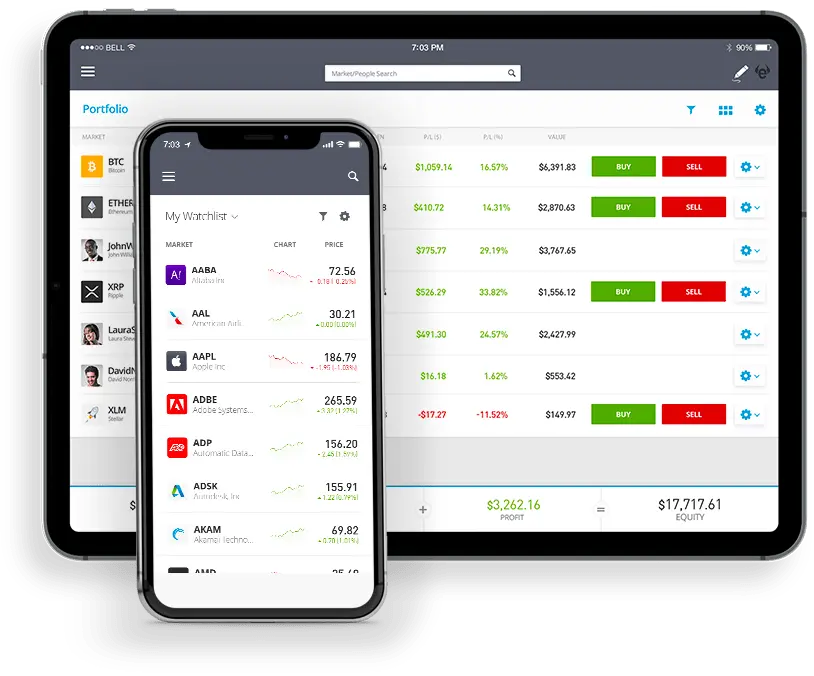
When I first ventured into the world of investing, the volatile swings of the market left me feeling uneasy. That was until I discovered the power of stop loss orders. Over the years, I've used them extensively across various asset classes, and today I wish to share my personal insights and lessons learned.
1. Introduction to Stop Loss Orders
I remember the sting of my first major loss in the stock market—a miscalculated risk that set me back significantly. I knew there had to be a way to protect my investments. Enter stop loss orders, the invisible safety nets I've come to rely upon. They're not just tools but gatekeepers that have saved me more times than I can count.
2. The Art of Stocks & Stop Losses
Stocks are where my journey began. By analyzing their historical volatility, monitoring company news, and leaning into the whispers of the trading floor, I mastered setting stop losses that minimized my losses while maximizing potential gains.
3. The Nuance of ETFs
ETFs introduced me to a world beyond individual stocks. But with diversity came complexity. Understanding the underlying assets became vital. The pulse of entire sectors could dictate the movement of my investments, making it paramount to set well-informed stop loss points.
4. Cryptocurrencies: The Wild West of Investing
Cryptos were a game-changer. Their volatility was unparalleled, teaching me the hard way that setting stop losses in this domain was not just wise—it was essential. From Bitcoin's subtle trends to the unpredictable nature of new altcoins, each demanded a unique stop loss strategy.
5. Lessons from the Field: Setting Stop Loss Orders
Through trials and errors, I've distilled some principles:
- Fixed vs. Trailing Stop Loss: A fixed stop loss saved me during sudden market crashes, while a trailing one ensured I rode the profit wave during bull runs.
- Avoiding Common Pitfalls: I learned not to set my stop too close, especially in the crypto realm, where price fluctuations are the norm.
6. The Emotional Rollercoaster
Each time my stop loss was triggered, a whirlwind of emotions followed. It took time, but I realized that these orders were my allies, not adversaries. They were reflections of my strategic foresight, not my investment failures.
7. Beyond Stop Loss: Other Risk Management Strategies
While stop losses have been my go-to, diversifying my portfolio and occasionally dabbling in hedging, especially with options, added extra layers of safety.
8. Concluding Thoughts: The Continuous Learning Curve
Investment is as much about strategy as it is about growth. My journey, dotted with ups and downs, instilled in me the importance of protective measures. A well-placed stop loss order can be the difference between a minor setback and a major heartbreak.
9. Personal FAQs
- Did I ever regret setting a stop loss? Occasionally, yes, especially when the asset rebounded quickly. But in the grand scheme, the protection they provided outweighed the few missed opportunities.
- What's my golden rule? Stay informed, be adaptive, and never let emotions dictate your stop loss points.